2026-09-14 ·
Local Rules for Disposing of Construction Materials in Mobile County
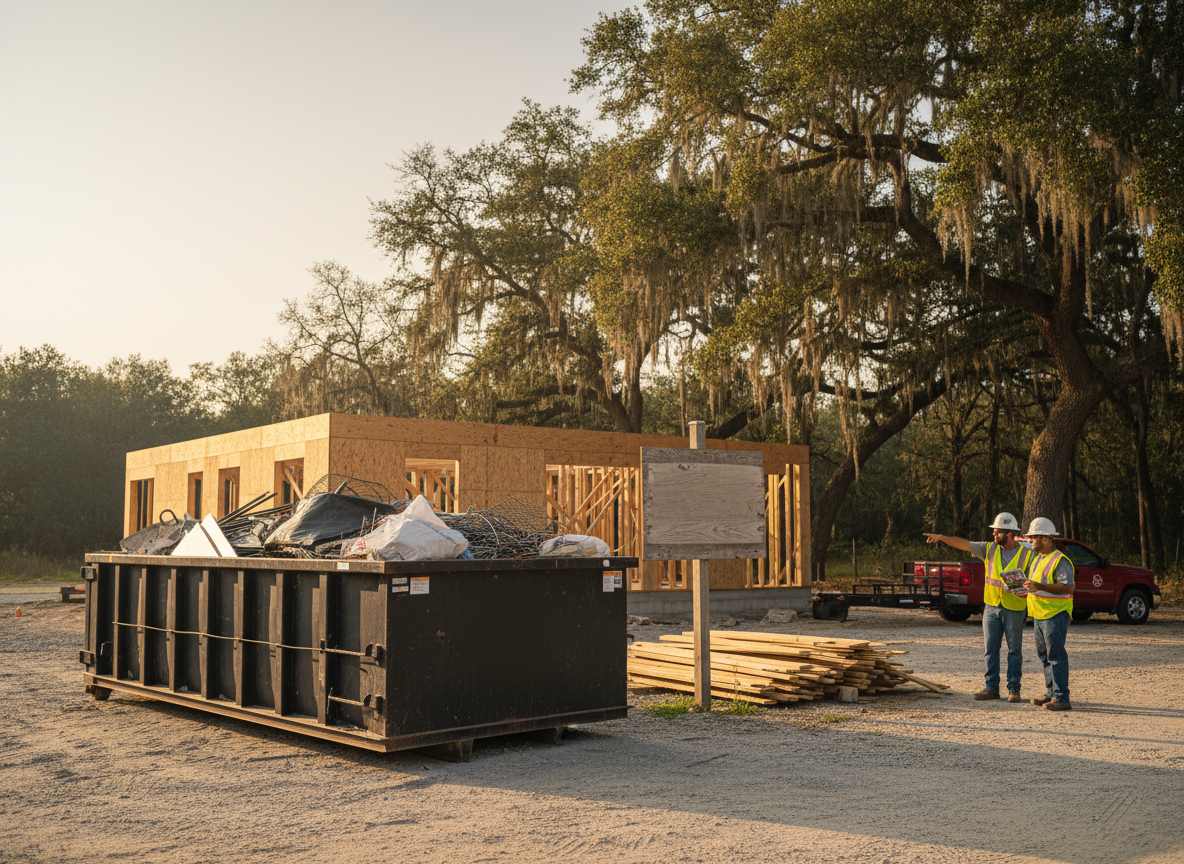
In Mobile County, construction materials must go to approved county landfills or transfer stations, with permits often needed for loads exceeding typical residential volumes from projects in Downtown Mobile or Spring Hill. Local rules prioritize separating recyclables like metal and concrete before transport, especially after Gulf storms generate extra debris. These requirements stem from the humid subtropical climate that accelerates material breakdown and increases runoff risks near waterways.
Permits and County Landfill Access
Mobile County enforces rules through its solid waste department that limit what can enter the main landfill without prior approval. Homeowners and contractors handling renovations in Midtown or West Mobile often need a simple debris permit for roofing or siding waste to avoid rejection at the gate. Larger demolition jobs near the USS Alabama Battleship Memorial Park face stricter volume tracking because storm-related flooding can mix construction debris with sediment. Checking current acceptance lists prevents trips to Birmingham or Montgomery facilities when local options close during peak hurricane season. Proper documentation also helps when coordinating multiple hauls from sites affected by high humidity that warps wood and drywall faster than in drier inland counties.
Waste Separation Rules in Historic Districts
Older homes in Downtown Mobile and Spring Hill contain lead paint and asbestos that Mobile County rules require isolating from general construction loads. Separation starts on site by bagging these materials separately before loading a Construction Dumpster Rental unit. Crews working near the Mobile Carnival Museum or Bellingrath Gardens must also screen for treated lumber that cannot enter regular landfill cells. Following these steps reduces rejection rates at the scale house and keeps projects on schedule despite frequent afternoon thunderstorms that soak uncovered piles. Guidance on sizing containers for such mixed historic loads appears in the article How to Estimate Dumpster Size for a Historic District Renovation in Mobile.
Storm Season Adjustments for Debris Removal
Frequent Gulf storms push Mobile County to adjust disposal windows and require tarping of loads to prevent wind-blown litter along routes to Dauphin Island or Theodore. Construction waste from roof repairs after heavy rain often includes saturated insulation that adds weight and triggers extra fees at the landfill. Operators plan extra days for drying materials when humidity stays above seasonal norms, especially on jobs in flood-prone pockets of Plateau or Prichard. Coordination with parade route restrictions during Mardi Gras appears in Planning Waste Removal Around Mardi Gras Parade Routes in Mobile for crews working near event zones.
Practical Coordination with 24/7 Haulers
Forward Dumpster Rental Mobile maintains 24/7 availability to match county landfill hours and storm cleanup demands across Mobile County. Scheduling early morning drops in Saraland or Tillmans Corner lets crews load before afternoon rains arrive. Drivers familiar with local terrain advise on weight limits for clay-heavy soils in West Mobile that can bog down trucks during wet periods. This approach keeps disposal compliant without unnecessary delays when projects span from Grand Bay to Bay Minette.