2026-09-14 ·
Managing Summer Humidity and Odor in Outdoor Waste Containers in Mobile
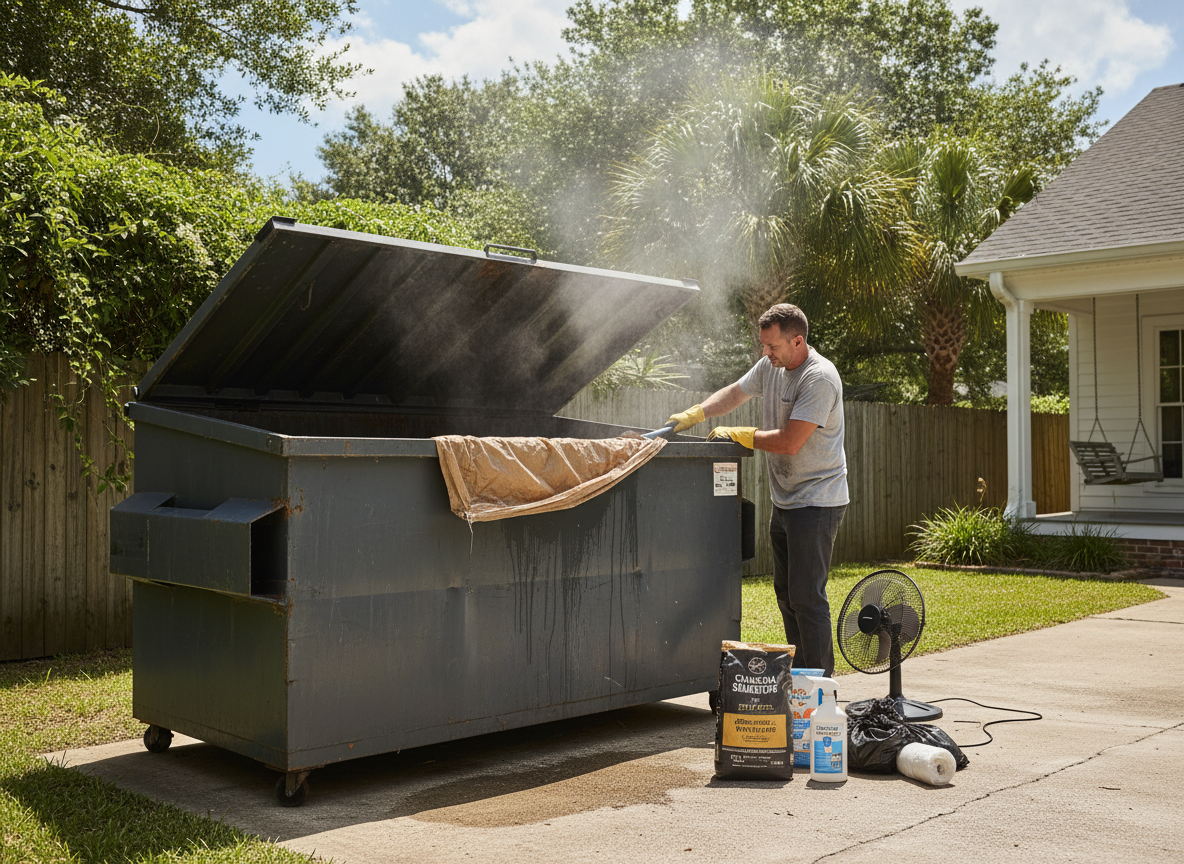
Mobile's humid subtropical climate drives rapid odor development in outdoor waste containers during summer months. Frequent Gulf storms add moisture that breaks down waste faster, so operators in neighborhoods like West Mobile and Midtown place containers on elevated pads with drainage slopes to limit standing water. Daily checks for condensation inside the container walls prevent bacterial growth that produces strong smells within 48 hours of a storm event.
How Humidity Accelerates Odor in Mobile Waste Containers
High humidity levels in Mobile combine with temperatures above 85 degrees to create ideal conditions for anaerobic decomposition inside dumpsters. In areas such as Spring Hill and Downtown Mobile, older housing stock often lacks wide driveways, forcing tighter container placement that traps moist air. This leads to odor complaints within three to five days unless lids stay fully sealed between hauls. Operators monitor for signs like surface slime on waste and adjust pickup frequency to every four days during peak summer humidity rather than the standard weekly schedule. The same moisture that speeds breakdown also softens cardboard and paper, increasing the volume of material that holds odors longer.
Placement and Ventilation Tactics for Storm-Prone Sites
Positioning roll-off containers on slight grades in Dauphin Island or Midtown allows rainwater to flow away instead of pooling at the base. This reduces the humidity trapped under the lid after Gulf storms pass through Mobile County. Ventilation holes drilled near the top rim, covered with mesh, release built-up gases without letting pests enter. For residential sites near the USS Alabama Battleship Memorial Park, where wind patterns shift quickly, angled placement against prevailing breezes helps carry odors away from neighboring homes. These steps cut odor reports by addressing the root cause of trapped moisture rather than masking smells after they form.
Liner and Maintenance Practices That Limit Moisture Buildup
Heavy-duty plastic liners rated for 3-mil thickness create a barrier between wet waste and container walls, cutting direct contact that fuels odor in humid conditions. In West Mobile subdivisions with clay-heavy soils, crews inspect liners after each storm for tears caused by shifting ground. Adding a 2-inch layer of absorbent material such as shredded paper at the bottom absorbs excess liquid before it pools. Weekly rinsing with a low-pressure hose followed by air drying for at least two hours prevents residue from baking onto metal surfaces during the next heat spike. These routines keep containers serviceable for 8–12 years under Mobile's weather cycle.
For projects requiring frequent hauls, roll off rental options allow crews to swap units before odor compounds. Readers planning renovations in historic districts can review sizing guidance in How to Estimate Dumpster Size for a Historic District Renovation in Mobile. Local disposal regulations for construction debris appear in Local Rules for Disposing of Construction Materials in Mobile County. Forward Dumpster Rental Mobile maintains 24/7 availability to support these schedules across Mobile County.